

So I’m sitting on the couch last Thursday night, answering comments on Tractor Zoom’s Facebook page, when a guy DMs us a link to an upcoming Adam Marshall auction in Nebraska and one sentence:
“Dude…we need a video.”
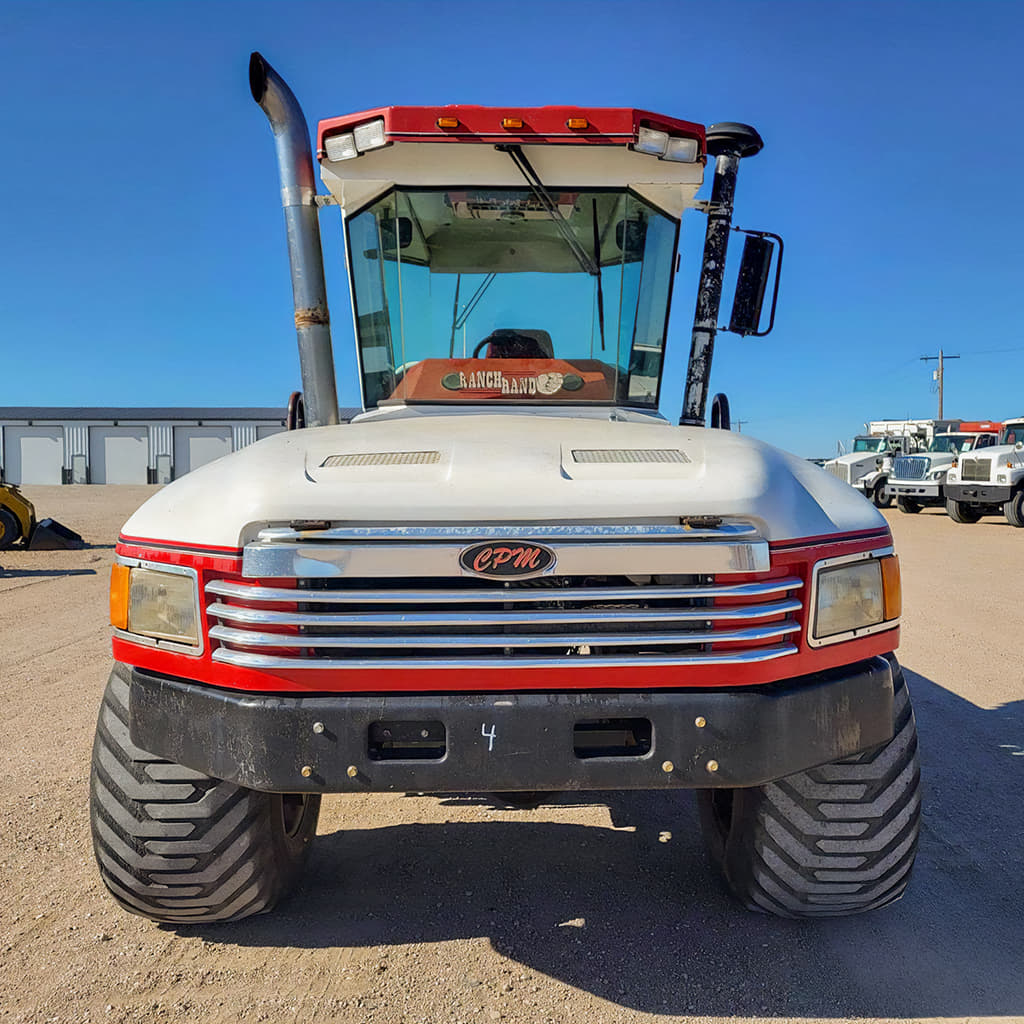
I click the link fully expecting to see a clean Sound-Gard cab, a nice 4320, something normal. Instead, I’m staring at…this thing.
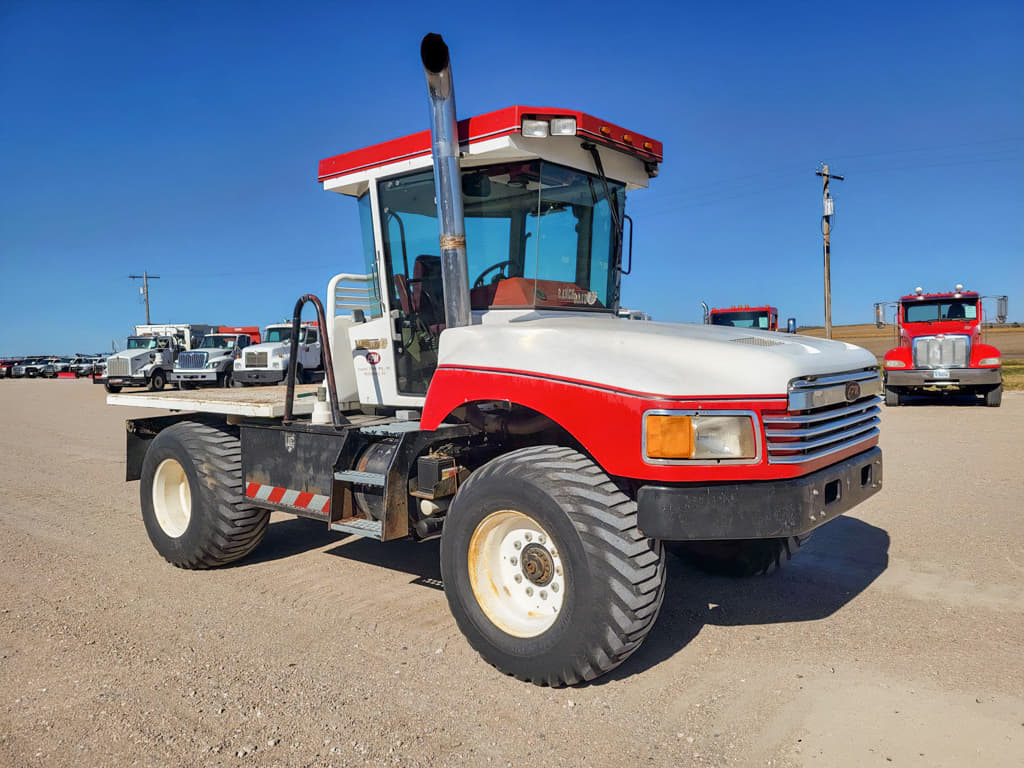
The CPM Ranch Hand.
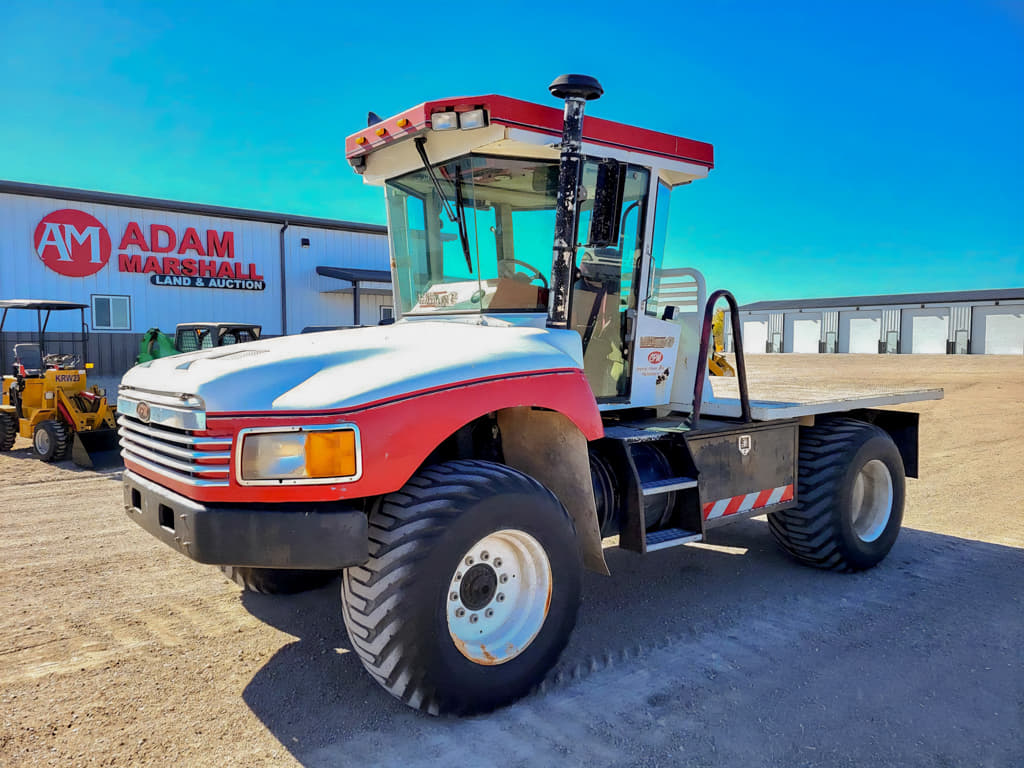
After flipping through the photos and doing about five minutes of research, I came to the exact same conclusion as that guy in our inbox: Yeah — we absolutely need a video. Because the Ranch Hand might be one of the handiest farm machines that nobody’s ever heard of!
So I put a video together the next day and post it up on our social channels. And it goes absolutely bonkers. As I’m writing this, the video’s been watched 336,000 times and shared 610 times. People have really fallen in love with it!
So…what is it, exactly?
What Even Is the CPM Ranch Hand?
Remember when teachers said, “Draw your dream ______” when you were a kid? The wilder, the better. Add a refrigerator to your dream car? Sure. Rear-mounted lasers for tailgaters? Why not. The whole point was to ignore limits and pile on ideas. That’s divergent thinking — no constraints, no budgets, no reality checks. Even engineers do this early on before trimming things back to reality.
About 30 years ago, a farmer named Bryce Wiehl from Smith Center apparently decided to do exactly that when he designed the Ranch Hand. He went full-blown elementary school mode — and I mean that in the best way possible.
I don’t know how the idea started, but in my head, Bryce is in his shop one night with a checklist of every useful thing you could bolt onto a tractor and a blank sheet of paper. Instead of picking a few, he starts drawing. No restraint. No editing. Just check… check… check.
And when he runs out of boxes, he looks at the drawing and says, “Alright. Let’s build it.”
And somehow…he did.
So what is it designed to do?
Once you get past the initial “what am I looking at?” reaction, the CPM Ranch Hand starts to make a lot more sense.
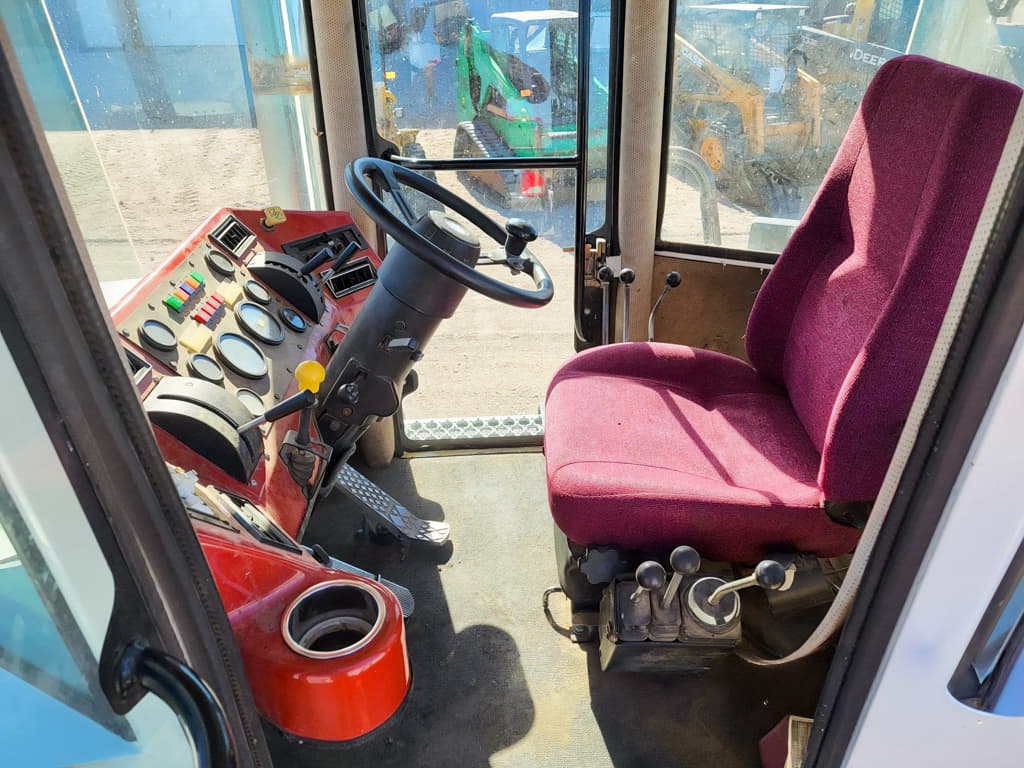
At its core, Bryce designed it to blur the line between tractor, truck, and support vehicle. Built on a 136-inch wheelbase and powered by a 165-hp 5.9L Cummins, the Ranch Hand paired that engine with a 6-speed Funk transmission and a one-seat, full-vision cab with front and rear wipers.
Where it really separated itself was versatility. Front and rear three-point hitches, front and rear PTOs (540 and 1,000 rpm), loader brackets, a rear drawbar, and an 8½-foot dump flatbed made it capable of real farm and ranch work. At the same time, it brought leaf-spring suspension, stabilizer bars, and heavy Rockwell axles — 17,000 pounds in the rear and 12,000 up front — riding on high-flotation tires.
In other words, this wasn’t a dressed-up UTV or a concept machine. It was a serious attempt to build one vehicle that could replace a tractor, a pickup, and a service truck — and the deeper you dig, the more intentional that design becomes.
A Rolling Farm Shop (By Design)
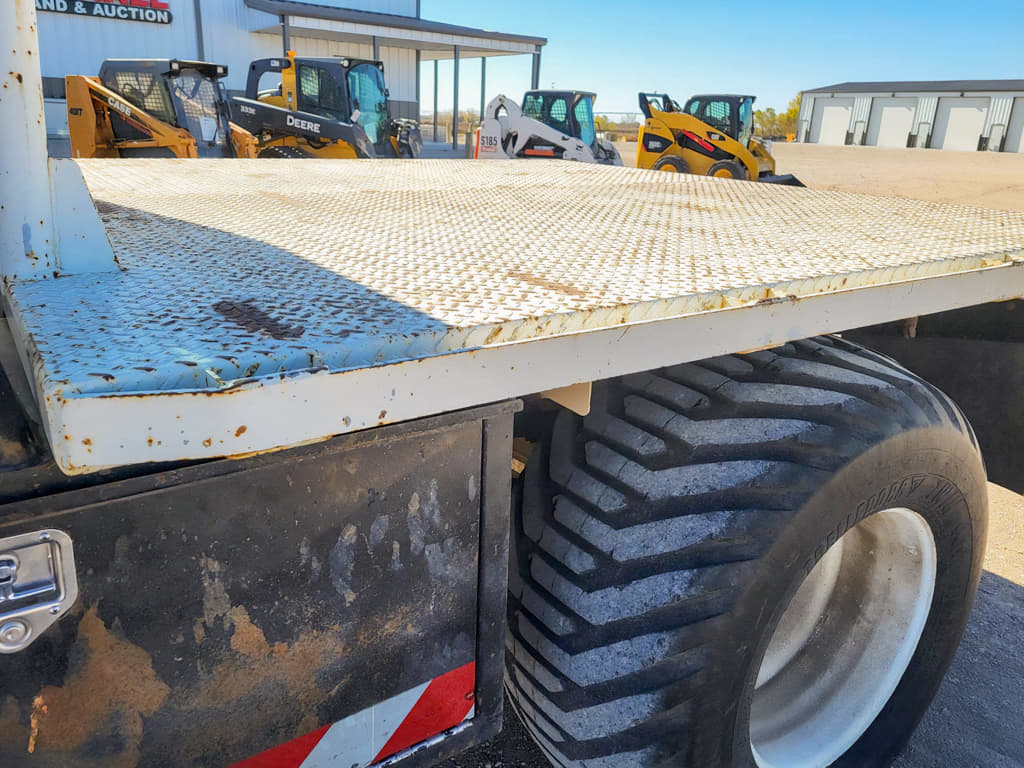
The real genius of the CPM Ranch Hand lived under the tilting flatbed.
Tucked beneath it was a 30-gallon hydraulic reservoir, an onboard air compressor with 50 feet of hose, two lighted 16-cubic-foot toolboxes, and a 25,000-watt generator with both 110- and 220-volt outlets. From where I’m sitting, that’s not just “handy” — that’s a full-blown mobile fab shop. You could literally build it, fix it, or wreck it without ever leaving the field!
Add in the pressurized 12-gallon water system with its own 50-foot hose, and Bryce’s intent becomes pretty clear. Rinse tanks. Wash up. Air tires. Weld broken iron. Fix fences. Then go right back to pulling a 24-foot field cultivator or a 30-foot drill without heading back to the home farm.
The hydraulics were just as well thought out. Four rear remotes came standard, along with four joystick-controlled remotes in the cab, letting you run two functions at once — raise and tilt, for example — with a single lever. Even the drawbar was cushioned, with a 16-inch extension…just in case.
All told, the Ranch Hand had a 22,000 pound GVW (including an 8000-pound payload on the back), and could hit 48 mph. It was built to rake hay in the morning, fix fences in the afternoon, check cattle in the evening, and still make it home for the 10 o’clock news!
A Great Idea With Unfortunate Timing
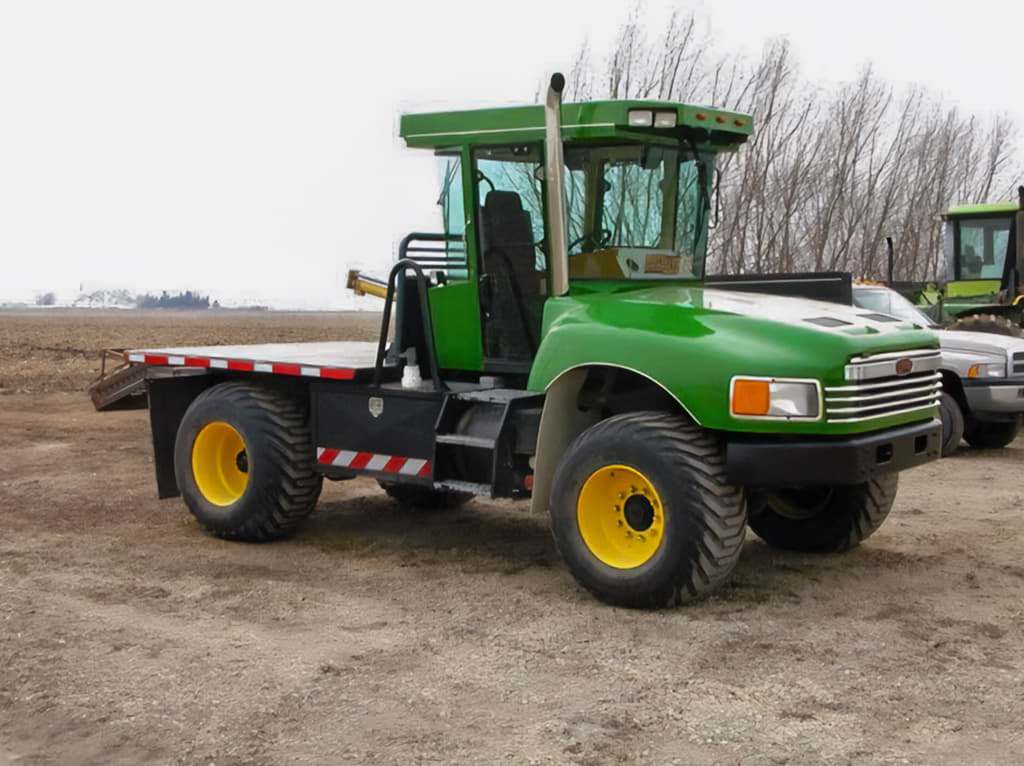
So if this machine is so great, why aren’t they scattered across the countryside? Simple: Crystal Springs Manufacturing, Bryce’s company, only built six Ranch Hands total, prototype included.
It’d be easy to armchair quarterback this deal and say that CPM stumbled on pricing, market, and timing. In reality, though, those three were tightly intertwined. Fully optioned, the CPM Ranch Hand sold new for $115,000 or more, which meant it had to replace several machines to make sense. Unfortunately, it was aimed squarely at Kansas ranchers just as much of the state entered its fourth year of drought. Cash was tight, and even a genuinely useful, do-it-all machine was a tough sell at that price point. Facing those challenges, I think even an established manufacturer would’ve struggled, and CPM simply ran out of runway.
By 1999, the company closed its doors and the bank liquidated the assets.
It wasn’t a bad idea. It was a great one — just a little early.
Because sometimes the most interesting iron isn’t the stuff that took over the market. It’s the stuff that showed up before the market was ready.
So… what about this red-and-white one that just sold at Adam Marshall Auctioneers?
Real-World Use: Jeff Raymer’s Experience
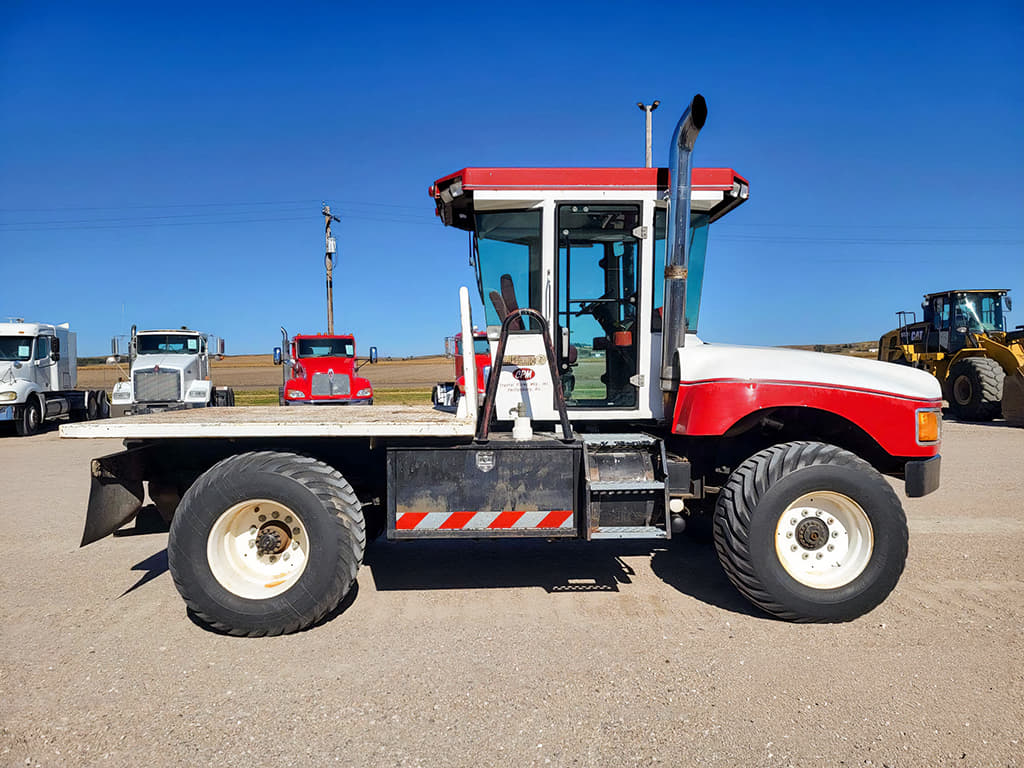
The red-and-white Ranch Hand that sold in Adam Marshall Auctioneers’s December 16 sale had been owned for the past four years by Jeff Raymer of Elm Creek. Jeff had known about the machine for a while, but the original owner wasn’t ready to sell. Eventually it landed at a Kubota dealership in Grand Island. Jeff drove past it regularly, watched it sit for close to a year, and finally stopped in and made a deal. He had one clear purpose in mind: haying support.
And once it got home, that’s exactly where it shined.
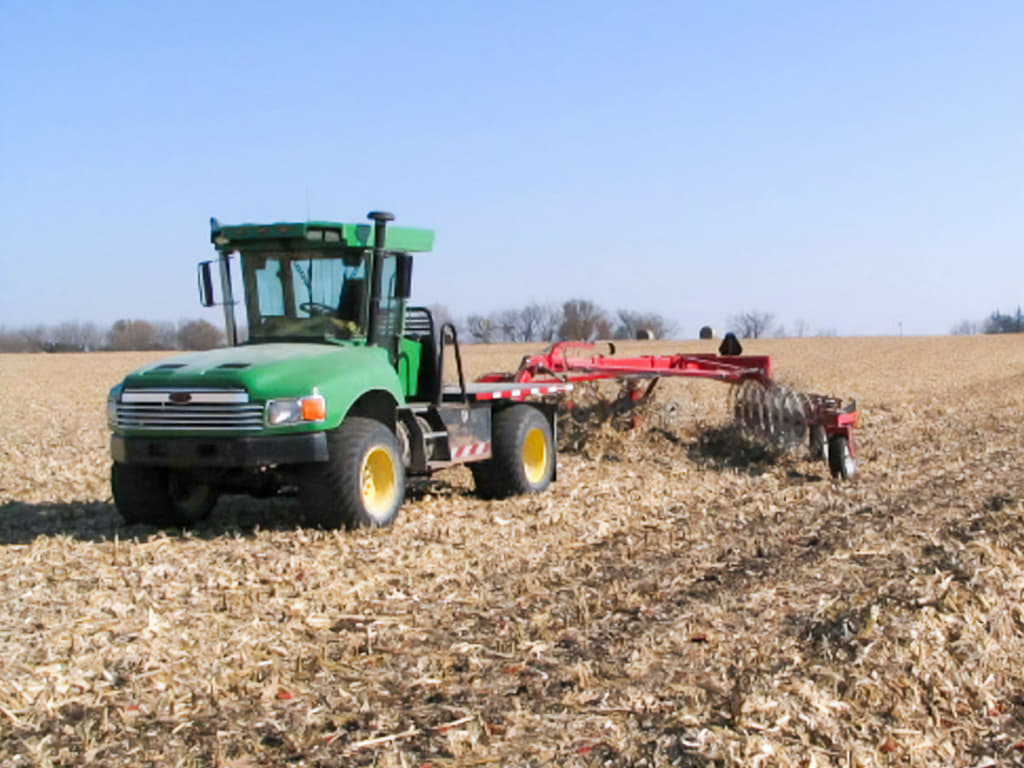
For Jeff and his sons, the Ranch Hand spent most of its time running a hay rake and handling odds and ends — jobs where a pickup or even a service truck didn’t quite cut it, but the capability was still needed. The onboard air compressor was especially useful in the field. The water system only got used once, but it worked as intended, and they eventually drained it to avoid winter freeze-ups.
Reliability? Surprisingly boring — in the best way. Over four years, aside from routine maintenance, it needed a radiator and an A/C fan motor. That was it. And when something did need attention, Jeff put it simply: “We could stop at the local NAPA and get the parts. Everything was pretty much off the shelf.”
For a machine this unique, that kind of parts availability only adds to the Ranch Hand’s appeal.
Why Sell It?
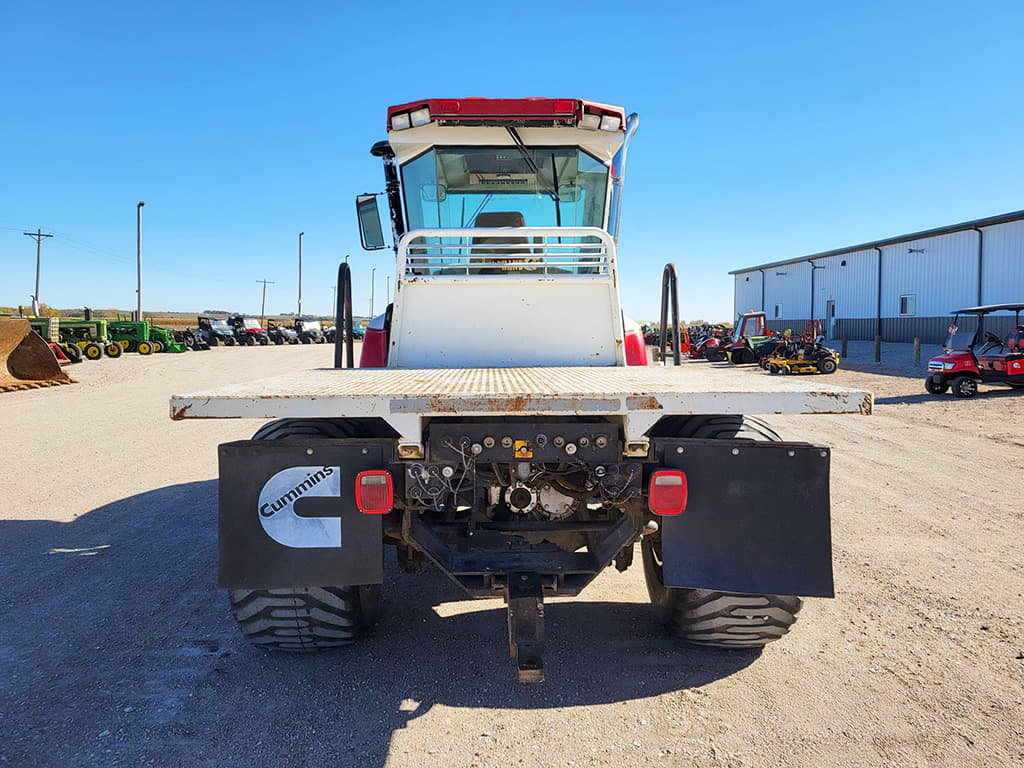
Jeff didn’t sell the Ranch Hand because it developed shortcomings. He sold it because it was time for a change.
Between working as a crop adjuster, running a hay operation, and helping with his family’s cattle operation in the Nebraska panhandle, he’d been burning the candle at both ends for a long time. With both of his sons now working in town, the simplest solution was to step away from haying altogether.
Selling it wasn’t an easy decision. They went back and forth on it for quite a while. But in the end, they felt it would be better to let it go to someone who could use it rather than have it sit in the shed. The machine still had a strong value proposition, and selling it at a year-end auction gave them the best shot at realizing that value.
As Jeff put it, “Where are you going to find a 25-year-old, emissions-free tractor with 2,000-some hours on it? They’re out there, but they don’t exactly grow on trees. This just felt like the right time to sell.”
As it turned out, he was right.
When the auction wrapped up, the CPM Ranch Hand sold to a Nebraska bidder for $41,500 — a strong number for something so niche, and in my opinion, an absolute bargain for what it’ll do.
Wrapping up…
At the end of the day, the Ranch Hand feels less strange today than it probably did in 1997. Farmers are using multi-role machines more effectively than ever before — and that’s why this one still stops people mid-scroll nearly three decades later. I’m firmly convinced that if a company decided to bring something like this to market tomorrow, they’d have a legitimate shot at success.
One company has, actually. Bobcat’s Toolcat line of work utility machines probably sticks out the most. It was developed to do the same basic things that Ranch Hand was capable of, just on a smaller scale. Who knows, maybe Bobcat’s product development team saw a Ranch Hand and somebody had a light bulb moment.
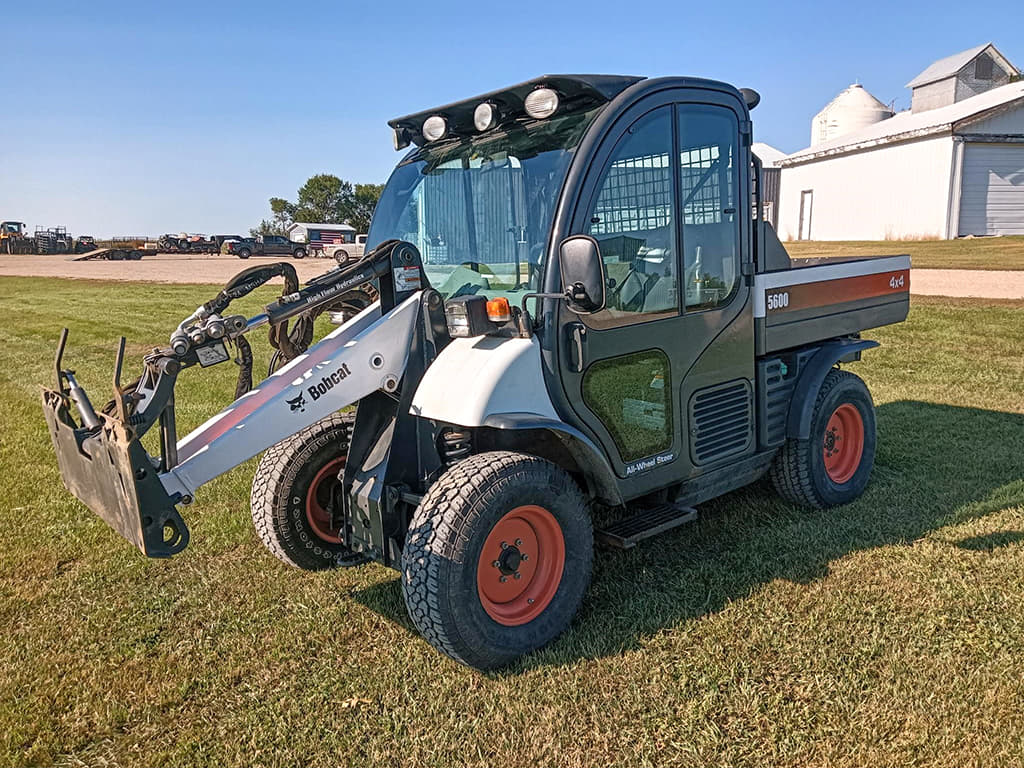
So, even though the CPM Ranch Hand never took off, I think it’d be a disservice to call it a flop. Bryce’s brainchild was a well-built and well-executed idea that was just a little too early to find the success he’d hoped it would.
Y’all make it a great week, and check back on New Year’s Eve for my last column of 2025! We’re taking a look at some of my favorite tractors that crossed the auction block in 2025!